
 レッスンを予約する
Step 1
Read the Article
Read the article to understand the main idea.
記事を読んで、おおよその内容をつかみましょう。
Australian students study wrong ruler
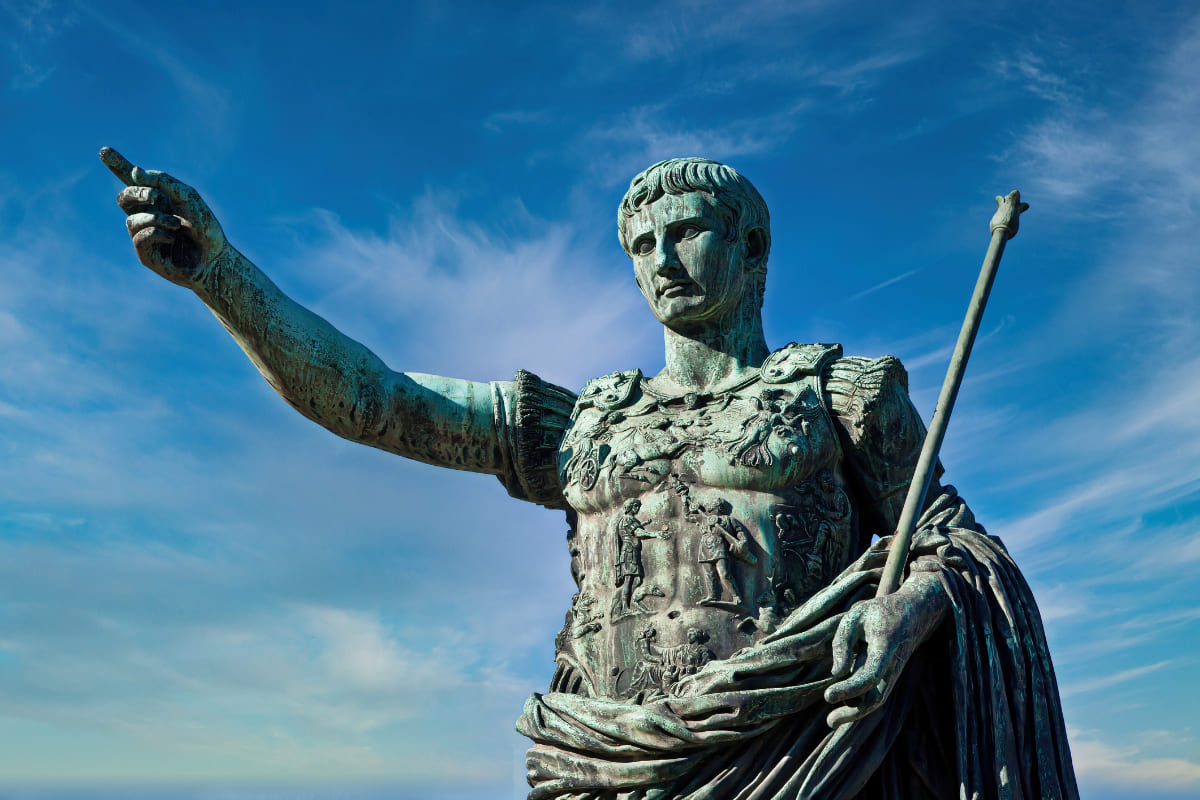
Teachers at nine high schools in Queensland, Australia, accidentally taught about the wrong Roman ruler — Augustus Caesar instead of Julius Caesar — just days before an ancient history exam.
When the mistake was found, the schools quickly asked for and received permission to skip the statewide test. Education Minister John-Paul Langbroek said the mix-up was “extremely traumatic ” for students and promised they would not be disadvantaged.
About 140 students were affected. Parents criticized the confusion, saying it distracted their children from other exams. The ancient history exam normally counts for 25% of a student’s final mark, so those exempted will be graded based on the remaining 75%.
The state’s education authority said it had informed the state’s 180 high schools two years ago that the exam topic would change to Julius Caesar in 2025, although not every school got the information.
(AP)
Step 2
Check the Vocabulary and Phrases
Check the following vocabulary and phrases.
以下の単語やフレーズの発音、意味、使い方を確認しましょう。
ruler
支配者、統治者
a person who rules or governs
The new ruler of the country promised to make life better for everyone.
その国の新しい支配者は、みんなの生活を良くすると約束しました。
permission
許可、承認
the act of allowing somebody to do something, especially when this is done by somebody in a position of authority
I asked my parents for permission to go to the concert.
私はコンサートに行く許可を両親にお願いしました。
mix-up
手違い、ゴタゴタ
a situation in which things go wrong, especially because somebody has made a mistake
There was a mix-up with our hotel booking, so we had to wait for a room.
ホテルの予約に手違いがあり、私たちは部屋を待たなければなりませんでした。
criticize
批判する
to say that you think somebody/something is bad; to say what you do not like or think is wrong about somebody/something
People criticized the movie because the story was too slow.
人々は、その映画のストーリーが遅すぎると批判しました。
count for
…の割合を占める
to have value or importance; to be part of a total score or result
Attendance counts for 10% of the grade.
出席は成績の10%を占めます。
Step 3
Comprehension Questions
Answer the following questions based on the article.
理解度問題に挑戦しましょう。
Why did some students not take the history exam?
How did the parents react to the school’s mistake?
Step 4
Discussion
Share your opinions on the following questions.
以下の質問について、自分の考えを述べてみましょう。
Are you interested in learning history? Why or why not?
Can you share a memory from when you took exams?
What helps/helped you stay calm before an exam?
Do you prefer learning from a teacher or learning by yourself? Why?
Have you ever had a very difficult or stressful experience?