
 レッスンを予約する
Step 1
Read the Article
Read the article to understand the main idea.
記事を読んで、おおよその内容をつかみましょう。
Marathons shift dates as climate change brings hotter weather
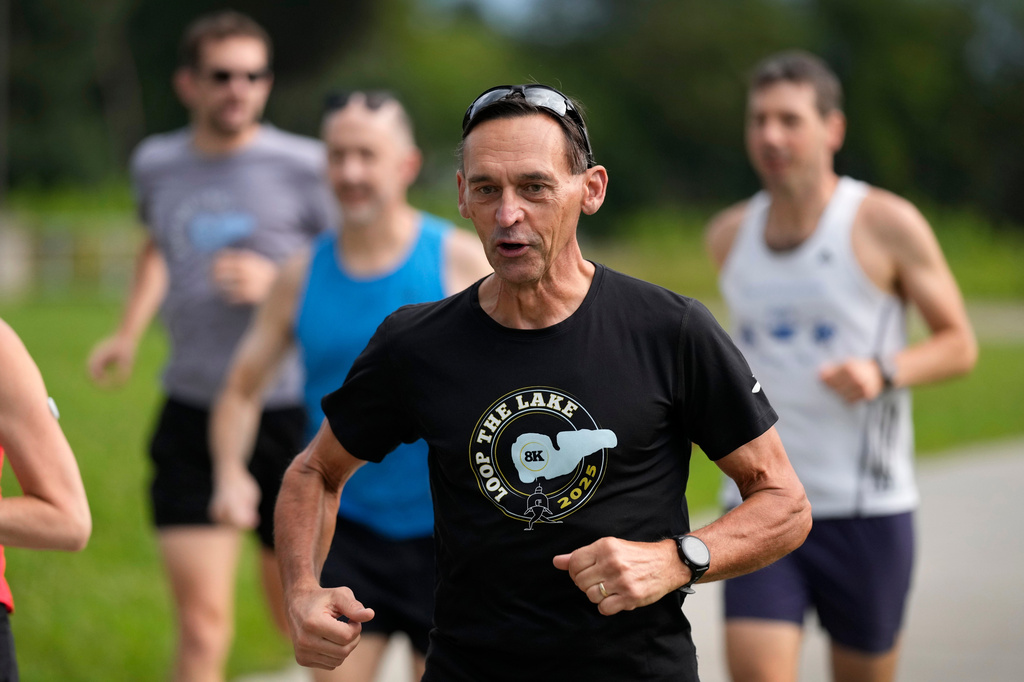
Paul Grinvalds, 68, has completed 114 marathons across all 50 U.S. states, yet he still struggles whenever the temperature rises above 15.5 degrees Celsius. Like most runners, he finds that the body cannot cool itself well during hard exertion, and heat makes this even harder. Such conditions can be both painful and dangerous. This is a reality that marathon organizers increasingly must confront as climate change pushes temperatures higher, driven mainly by burning fuels such as coal and gasoline.
To find cooler weather, organizers are shifting event dates, starting earlier, and even letting runners cut their races short. Beginning in 2027, the Twin Cities Marathon in Minnesota will move its traditional race date from early October to later in the month, following a 2023 cancellation caused by record heat. Race director Ed Whetham said he would rather have a 4-degree Celsius start than a 21-degree Celsius start. Races in South Dakota, Ohio, Arkansas, and California have made similar changes.
In Los Angeles in March 2026, warm weather led organizers to let runners finish after 29 kilometers and still receive a medal. The wider trend worries some researchers: the mainland United States had its warmest July ever in 2026, and 2024 was the planet's hottest year on record. A study of 221 races predicted that by 2045, ideal running conditions would be less likely at 46 of the 51 U.S. marathons examined. This shows how a warming climate is making marathon conditions worse.
(AP)
Step 2
Check the Vocabulary and Phrases
Check the following vocabulary and phrases.
以下の単語やフレーズの発音、意味、使い方を確認しましょう。
exertion
(身体的な)努力
physical effort that uses a lot of energy
After some hard exertion in the garden, he sat down and rested.
庭でしばらく懸命に働いた後、彼は腰を下ろして一休みした。
increasingly
ますます
more and more as time passes
The city is becoming increasingly popular with young families.
その街は若い家族の間でますます人気が高まってきています。
confront
対処する
to deal with a difficult problem or situation
We must confront this problem before it gets worse.
事態が悪化する前に、私たちはこの問題に取り組まなければなりません。
shift
変更する
to move something to a different time, position, or place
They decided to shift the meeting to Friday afternoon.
彼らは会議を金曜日の午後に変更することにしました。
cut A short
Aを途中で切り上げる
to end something before it is finished
We had to cut our trip short because of the storm.
嵐のせいで、私たちは旅行を途中で切り上げなければなりませんでした。
Step 3
Comprehension Questions
Answer the following questions based on the article.
理解度問題に挑戦しましょう。
What in Paul Grinvalds's record shows that he is a highly experienced runner?
In March 2026, why were runners in the Los Angeles marathon offered the choice of finishing the course early?
Step 4
Discussion
Share your opinions on the following questions.
以下の質問について、自分の考えを述べてみましょう。
Do you like running or walking for exercise? Why or why not?
What kind of weather do you enjoy most when you spend time outside? Why do you like it?
Have you ever exercised or played a sport on a very hot day? How did you feel?
If an outdoor event has been held on the same day for many years, do you think it is okay to change the day because of hot weather? Please explain your answer.
What can people do to exercise safely as the weather keeps getting hotter?