
 レッスンを予約する
Step 1
Read the Article
Read the article to understand the main idea.
記事を読んで、おおよその内容をつかみましょう。
How humans choose to measure time
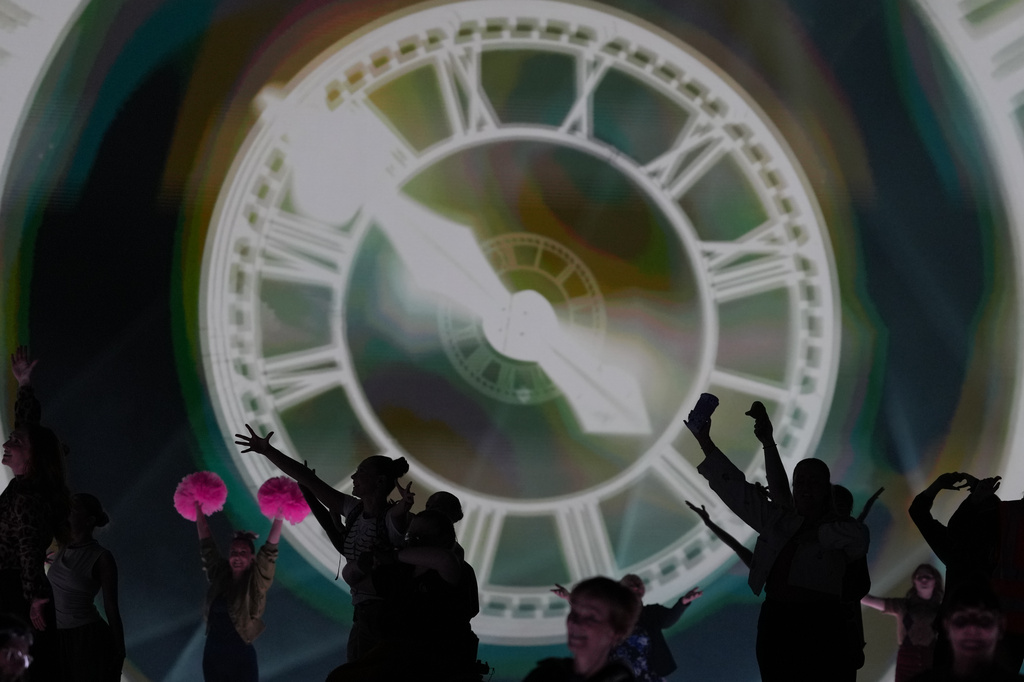
Time shapes almost everything we do, yet the way we measure it is not as natural as it seems. Throughout history, different peoples have tracked their days using the sun, the moon, or a combination of both. Some divided the year into months of equal length, while others did not, and even the number of days in a week has varied from one culture to another. Nature provided the signs, but people chose how to count it.
According to Elizabeth Cohen, a political science professor at Boston University, every way of measuring time is arbitrary. She argues that no unit is truly natural because people could have chosen to divide time in many other ways. For most of human history, timekeeping simply followed nature, such as the phases of the moon and, in farming communities, the seasons for planting and harvesting.
This changed with industrialization. Factories needed workers to arrive for fixed shifts, so people began paying close attention to the clock rather than to natural signs. Michael O'Malley, a history professor at George Mason University, notes that industrial society taught people to experience time as something regular and unvarying.
Economic and political decisions also shaped time on a larger scale. In the United States during the 1800s, cities kept more than 40 different local times, which made train travel confusing. To fix this, American railroad companies agreed on a four-zone system in 1883. In 1884, an international conference chose Greenwich, England, as the basis for global timekeeping.
(AP)
Step 2
Check the Vocabulary and Phrases
Check the following vocabulary and phrases.
以下の単語やフレーズの発音、意味、使い方を確認しましょう。
shape
形づくる
to have an important influence on the way that something develops
The books we read when we are young can shape our ideas about life.
若い頃に読んだ本は、人生観を形作ることがあります。
track
把握する/記録する
to follow the progress or development of something over a period of time
I use an app to track how much water I drink every day.
私は毎日どれくらい水を飲むかを把握するために、アプリを使っています。
vary
変わる
to be different from each other in size, amount, or type
Ticket prices vary from one airline to another, so I always compare them.
航空券の値段は航空会社によって異なるので、私はいつも比較するようにしています。
arbitrary
恣意的な
decided by chance or personal choice rather than by a clear rule or reason
The prices in that shop feel arbitrary because similar items often cost very different amounts.
あの店の価格は恣意的に設定されていると感じます。似た商品なのに、値段が大きく違うことがよくあるからです。
unit
単位
a fixed amount or quantity used as a standard for measuring
The meter is a unit that we use to measure length.
メートルは、長さを測るために使う単位です。
Step 3
Comprehension Questions
Answer the following questions based on the article.
理解度問題に挑戦しましょう。
What did Elizabeth Cohen say about the different ways that people measure time?
Why did railroad companies in the United States create a system of four time zones?
Step 4
Discussion
Share your opinions on the following questions.
以下の質問について、自分の考えを述べてみましょう。
Do you usually check the time on a watch, a smartphone, or something else? Please explain your answer.
Do you prefer to follow a fixed schedule, or do you like to decide what to do as the day goes on? Why?
Where you live, how important is it to be on time for work, school, or meeting friends?
Some people say that modern life moves too fast. What do you think about this idea?
If people did not use clocks at all, how do you think daily life would change?