
 レッスンを予約する
Step 1
Read the Article
Read the article to understand the main idea.
記事を読んで、おおよその内容をつかみましょう。
Salmon farming divides opinion in Chile
Chile is the world’s second-largest producer of salmon, after Norway. The fish is also one of the country’s most important exports. In 2025, Chile produced more than one million metric tons of salmon. Its main export markets are the United States, Japan, and Brazil. The United States is the biggest buyer.
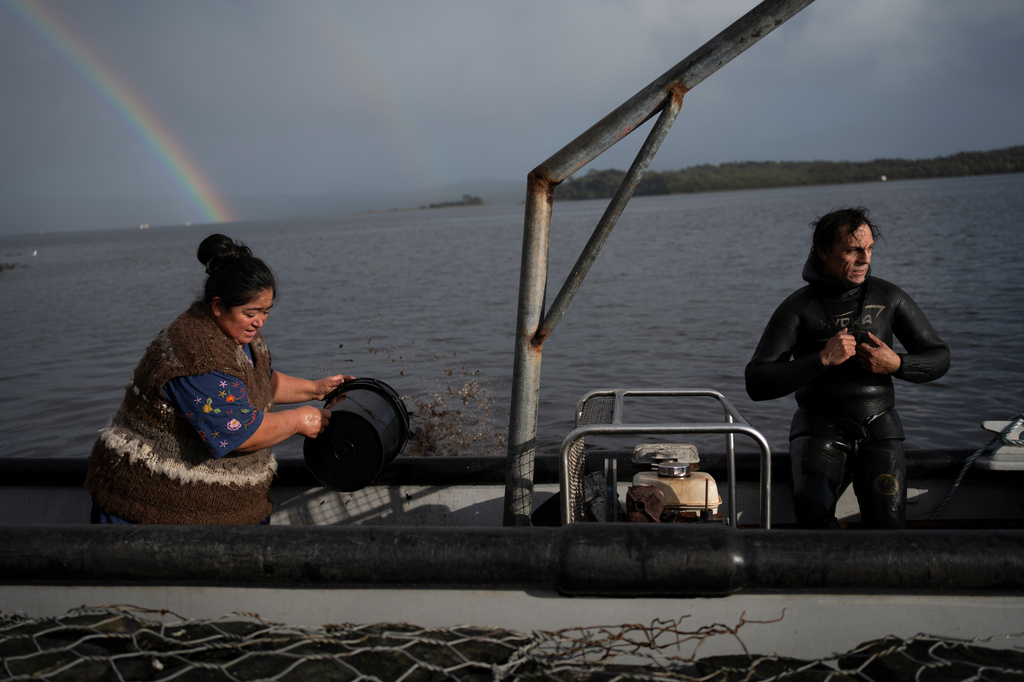
Much of this farming happens in the Guaitecas Archipelago, a remote group of islands off the coast of southern Chile. The area is a nature reserve, but at least 313 salmon farms have been approved there. Every year, these farms release large amounts of chemicals and antibiotics into the sea. For years, scientists, fishers, and local communities have accused the industry of polluting the water.
Many residents and scientists say that the pollution has damaged several areas of the sea. In some places, the oxygen in the water has dropped so low that fish and other sea animals struggle to survive. People call these areas “dead.”
Even so, many Chileans support the salmon industry because it creates a lot of jobs. SalmonChile, a group that speaks for the companies, says that salmon farming is not the only problem. It argues that climate change, illegal fishing, and other factors may also reduce the number of fish in the sea.
(AP)
Step 2
Check the Vocabulary and Phrases
Check the following vocabulary and phrases.
以下の単語やフレーズの発音、意味、使い方を確認しましょう。
release
放出する
to let a substance such as gas or liquid flow out, especially into the environment
When you open a bottle of soda, it releases gas.
炭酸飲料のボトルを開けると、ガスが放出されます。
accuse
非難する
to say that someone has done something wrong or illegal
A classmate accused the student of cheating on the test.
あるクラスメートは、その生徒がテストで不正行為をしたと非難しました。
resident
住民
a person who lives in a particular place
The residents of our building share a small garden.
私たちの住む建物の住人は、小さな庭を共同で使っています。
oxygen
酸素
a gas in the air that people, animals, and plants need in order to live
There is less oxygen in the air high up in the mountains.
山の上の方では、空気中の酸素の量が少なくなります。
struggle
苦労する
to try very hard to do something that is difficult
My little sister struggles to finish her homework every night.
妹は毎晩、宿題を終えるのに苦労しています。
Step 3
Comprehension Questions
Answer the following questions based on the article.
理解度問題に挑戦しましょう。
Which country produces more salmon than Chile?
Why is it hard for fish and other sea animals to live in some parts of the sea?
Step 4
Discussion
Share your opinions on the following questions.
以下の質問について、自分の考えを述べてみましょう。
What kinds of seafood are popular where you live?
Have you ever been fishing, or would you like to try it? Why or why not?
For you, which is more important: cheap food or protecting nature? Why?
How can people help nature come back after it is damaged? For example, think about the sea or a forest.
Some people want to protect nature, but others want to keep their jobs. How can a country try to make both sides happy?