
 レッスンを予約する
Step 1
Read the Article
Read the article to understand the main idea.
記事を読んで、おおよその内容をつかみましょう。
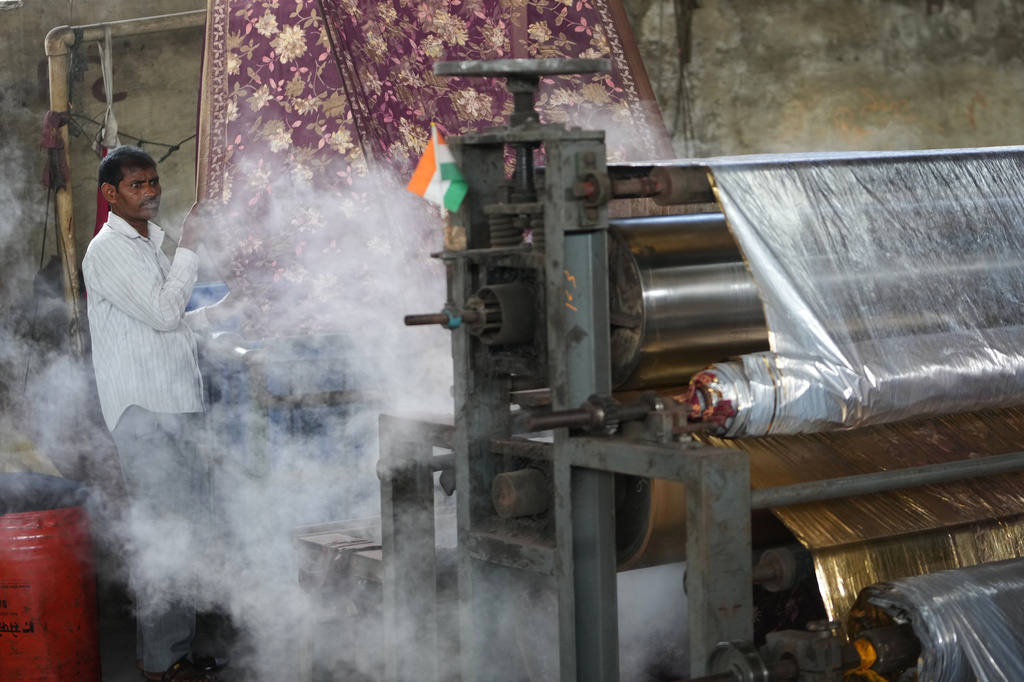
Heat makes factory work dangerous in India’s textile city
In Surat, a major textile city in India, factory workers face serious health risks from extreme heat. They spend long hours near heavy machines that produce steam and radiate heat. Soni Pande, a 27-year-old worker, described what it is like to work in the factory. "The heat does make us weak. We sweat a lot. Some people feel dizzy," she said. "There are fans and coolers, but it's still so hot inside."
Surat produces millions of meters of polyester cloth, which is shipped to textile companies worldwide. Climate change has contributed to rising temperatures and longer summers in the city. A 2022 report by the World Bank, an international financial organization, estimated that about 380 million workers are affected by heat. That is roughly 75% of India's workforce.
Pooja Yadav of WRI India, a research organization focused on sustainable development, explained that heat and humidity can create dangerous conditions indoors. Inside factories, workers are exposed to hot air and chemical fumes, which can cause headaches and dehydration during long shifts.
WRI India recommends installing ventilation systems and keeping machines cooler. One company spent about $5,300 on cooling systems. It also used plant-based bags to cover machines and reduce heat. However, Yadav noted that most Surat factories still rely only on fans. She added that government officials need to include industrial areas in their plans to protect people from heat.
(AP)
Step 2
Check the Vocabulary and Phrases
Check the following vocabulary and phrases.
以下の単語やフレーズの発音、意味、使い方を確認しましょう。
radiate
放射する
to send out heat, light, or energy in all directions
The fireplace radiated enough heat to warm the whole living room.
暖炉はリビング全体を暖めるのに十分な熱を放っていました。
dizzy
めまいがする
feeling as if everything is spinning around you and that you are going to fall
She felt dizzy after standing up too quickly from her chair.
椅子から急に立ち上がったあと、彼女はめまいを感じました。
contribute
一因となる
to be one of the causes of something
Eating too much sugar can contribute to health problems.
砂糖の摂りすぎは、健康問題の一因となることがあります。
dehydration
脱水症状
a condition in which the body does not have enough water
Drinking enough water during exercise is important to prevent dehydration.
脱水症状を防ぐために、運動中は十分な水を飲むことが大切です。
ventilation
換気
the movement of fresh air around a closed space
Good ventilation in the classroom helps students stay focused and comfortable.
教室の十分な換気は、生徒が集中して快適に過ごすのに役立ちます。
Step 3
Comprehension Questions
Answer the following questions based on the article.
理解度問題に挑戦しましょう。
What does the 2022 World Bank report say about the impact of heat on workers in India?
Why can long shifts inside a factory be especially dangerous for workers' health?
Step 4
Discussion
Share your opinions on the following questions.
以下の質問について、自分の考えを述べてみましょう。
Have you ever felt dizzy or unwell because of heat? What did you do to feel better?
If you had to work or study in a very hot place, what would you do to stay healthy and safe?
What should schools, companies, and other workplaces do to help people stay safe in hot weather? Please explain your answer.
Who do you think is more responsible for protecting people from extreme heat — organizations like schools and companies, or the government? Why?
How do you think longer, hotter summers will affect people's daily lives in the future?