
 レッスンを予約する
Step 1
Read the Article
Read the article to understand the main idea.
記事を読んで、おおよその内容をつかみましょう。
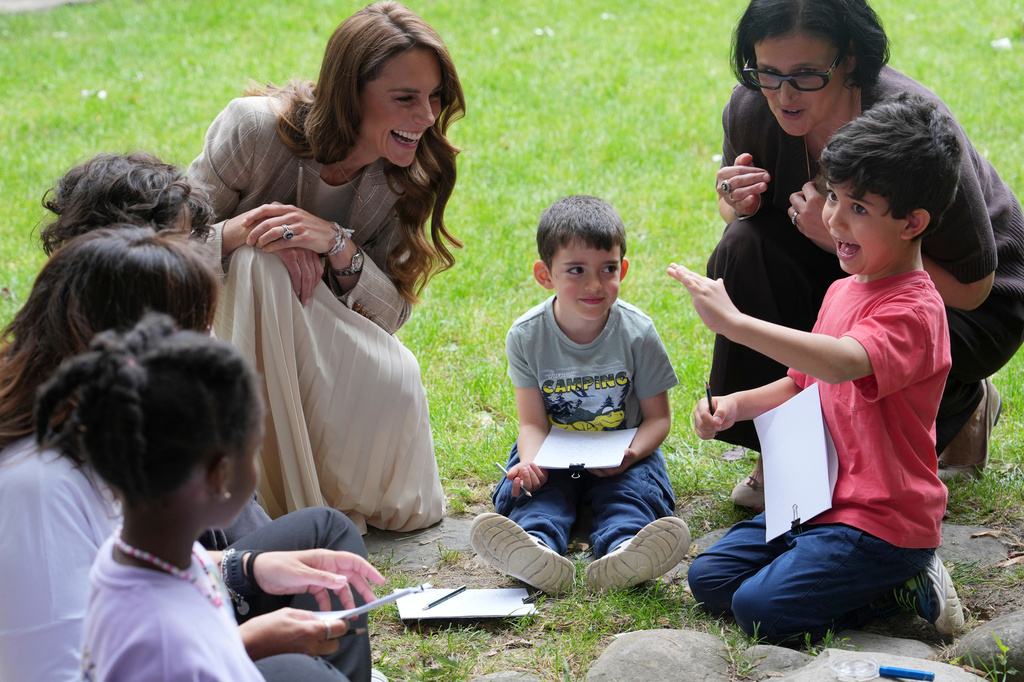
Princess Catherine shines a light on Italy’s Reggio Approach
Princess Catherine of Wales recently visited Reggio Emilia, a city in northern Italy, to observe an innovative early childhood education philosophy known as the Reggio Approach. Her two-day visit drew international attention to a model that has been quietly influencing how young children learn for decades.
The Reggio Approach was developed in Italy after World War II. A group of mothers in Reggio Emilia came together to rebuild their community and create spaces where children could grow and learn. The philosophy does not follow fixed lesson plans. Instead, it emphasizes a child's natural curiosity and encourages young learners to express themselves through drawing, painting, singing, and imaginative play. Teachers guide children's learning rather than simply giving instruction, while parents and the wider community remain actively involved.
Research supports its effectiveness. A 2017 study looked at people who had experienced Reggio-style education. They were more likely to graduate from high school and had better employment outcomes than those who had not received formal early childhood care.
Despite its growing global reputation, the approach has not become part of British educational policy, where most early childhood programs are privately run for profit. Experts point out that replicating the model is challenging because it developed from a very specific historical and cultural context. In particular, it emerged in Italy under Mussolini's Fascist rule.
Princess Catherine strongly supports early childhood development. She praised the philosophy for putting children at the center of the community. Her visit may help raise awareness of alternative approaches to early education in Britain.
(AP)
Step 2
Check the Vocabulary and Phrases
Check the following vocabulary and phrases.
以下の単語やフレーズの発音、意味、使い方を確認しましょう。
philosophy
理念
a set of ideas that somebody uses to decide what to do or to believe
Her teaching philosophy is to let students learn from their mistakes.
彼女の教育理念は、生徒が自分の間違いから学べるようにすることです。
model
方式・仕組み
a system or example that shows how something works
Many companies are interested in this business model.
多くの企業がこのビジネスの仕組みに関心を持っています。
curiosity
好奇心
a strong desire to know about something
His curiosity about cooking led him to try recipes from many countries.
料理への好奇心から、彼はいろいろな国のレシピを試すようになりました。
replicate
再現する
to do or make something again in exactly the same way
It is difficult to replicate the calm atmosphere of that library at home.
あの図書館の落ち着いた雰囲気を家で再現するのは難しいです。
emerge
(考え方などが)生まれる
to start to exist
New ideas often emerge when people from different fields work together.
異なる分野の人たちが一緒に取り組むと、新しい考えが生まれることがよくあります。
Step 3
Comprehension Questions
Answer the following questions based on the article.
理解度問題に挑戦しましょう。
What did Princess Catherine do in the northern Italian city?
Why do experts say it is difficult to copy the Reggio Approach in Britain?
Step 4
Discussion
Share your opinions on the following questions.
以下の質問について、自分の考えを述べてみましょう。
Do you enjoy learning through creative activities such as art, music, or games? Why or why not?
What kinds of activities do you think help young children learn best?
How do you think local communities can support children's education?
Which do you think is more effective for young children: fixed lesson plans or creative activities?
Do you think schools in your country should change their teaching methods? Why or why not?