
 レッスンを予約する
Step 1
Read the Article
Read the article to understand the main idea.
記事を読んで、おおよその内容をつかみましょう。
Some farmers turn to perennial grains to survive extreme weather
Bryce Black, a fourth-generation farmer in the U.S. state of Kansas, has watched drought damage much of his winter wheat. His harvest fell to the lowest level since he took over the family farm in 2017. "I'm in survival mode," he said. When extreme weather strikes, farmers often search for new ways to protect their crops and their income.
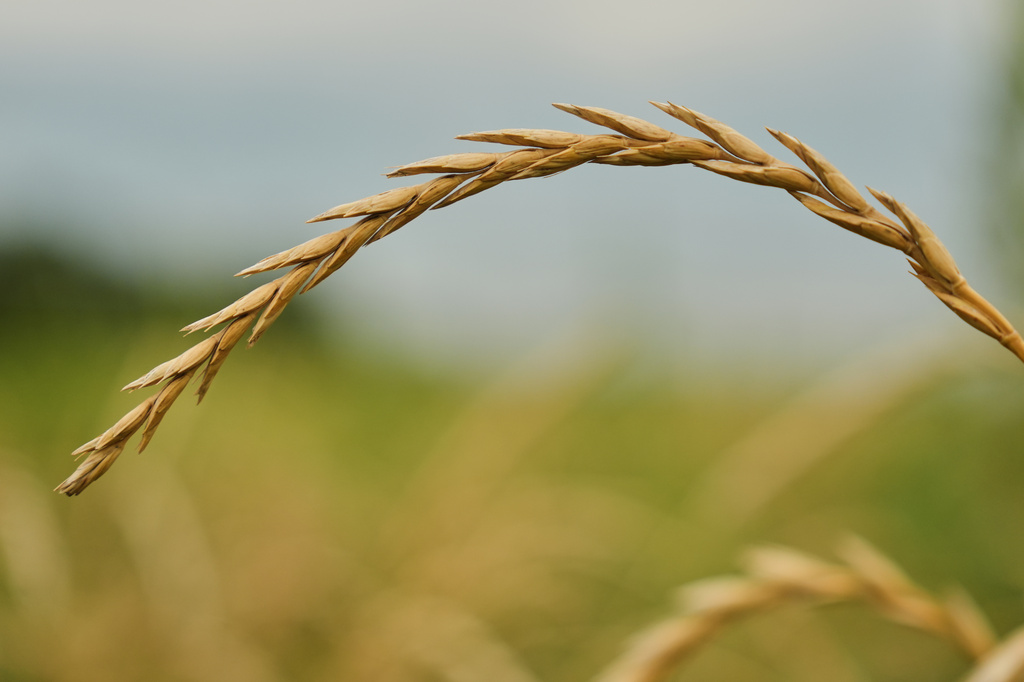
A small number of farmers are now growing perennial grains, which are planted only once every few years rather than every season. Their roots reach deep underground, so they can find water during drought and soak up heavy rain that would otherwise wash away the soil. These roots also store carbon, which reduces pollution and keeps the land healthy for future crops.
Kernza is the perennial grain that is furthest along in development. It has been developed at The Land Institute, a research center in Kansas that also works on perennial versions of rice and sorghum. Adoption remains very small, however: in 2025, American farmers grew Kernza on 1,421 hectares, compared with 15.1 million hectares of wheat in the 2025 to 2026 season.
Serious problems remain. Perennial varieties produce far less grain than annual crops and are harder to harvest. The market is also still small. Even so, because the grain is rare, farmers who grow Kernza can earn a much higher price, and some expect interest to rise as the climate keeps changing.
(AP)
Step 2
Check the Vocabulary and Phrases
Check the following vocabulary and phrases.
以下の単語やフレーズの発音、意味、使い方を確認しましょう。
drought
干ばつ
a long period of time when there is little or no rain
During the drought, our town asked everyone to save water.
干ばつの間、私たちの町では住民に節水を呼びかけました。
perennial
多年生の
(of a plant) living for more than two years
My mother likes perennial plants because they grow back every year.
母は、毎年また生えてくるので、多年生植物が好きです。
soak up
吸収する
to take in a liquid, especially through a surface
I used a towel to soak up the water on the kitchen floor.
キッチンの床の水をタオルで吸い取りました。
otherwise
そうしなければ、放っておくと
used to say what would happen if the situation were different
I wrote a note on my hand to remember the plan I would otherwise forget.
放っておくと忘れてしまいそうな予定を、手にメモして覚えておきました。
adoption
導入
the act of starting to use a particular method, idea, or product
Our school's adoption of tablets helped students study better.
当校では、タブレットの導入によって生徒の学習が向上しました。
Step 3
Comprehension Questions
Answer the following questions based on the article.
理解度問題に挑戦しましょう。
How did Bryce Black's most recent wheat harvest compare with his earlier years on the farm?
Why can perennial grains still find enough water in very dry weather and cope with very heavy rain?
Step 4
Discussion
Share your opinions on the following questions.
以下の質問について、自分の考えを述べてみましょう。
Do you enjoy eating bread, rice, or other foods made from grains? Which one is your favorite?
Have you ever grown a plant or a vegetable? Please talk about your experience or your interest in growing things.
In your country, has the weather become more difficult for farmers or gardeners in recent years?
Some new products are better for the planet but cost more money. Would you pay more for this kind of product? Why or why not?
What is one thing companies or governments could do to help farmers during extreme weather? Please explain your answer.