
 レッスンを予約する
Step 1
Read the Article
Read the article to understand the main idea.
記事を読んで、おおよその内容をつかみましょう。
A warmer Mediterranean brings new fish and threatens local sea life
Climate change is making the Mediterranean Sea warmer, and this is changing life under the water. Scientists say the sea heats up quickly. This is because it is nearly surrounded by land, and it cannot cool down like the open ocean. Its waters may become 2 to 6 degrees Celsius warmer by 2100.
The warmer water has become a comfortable home for new invasive fish. About 1,000 such species have been found, and 800 of them are already established. The lionfish, first seen in 2012, has spread quickly. Some are dangerous to people: the pufferfish is poisonous and can be deadly if eaten.
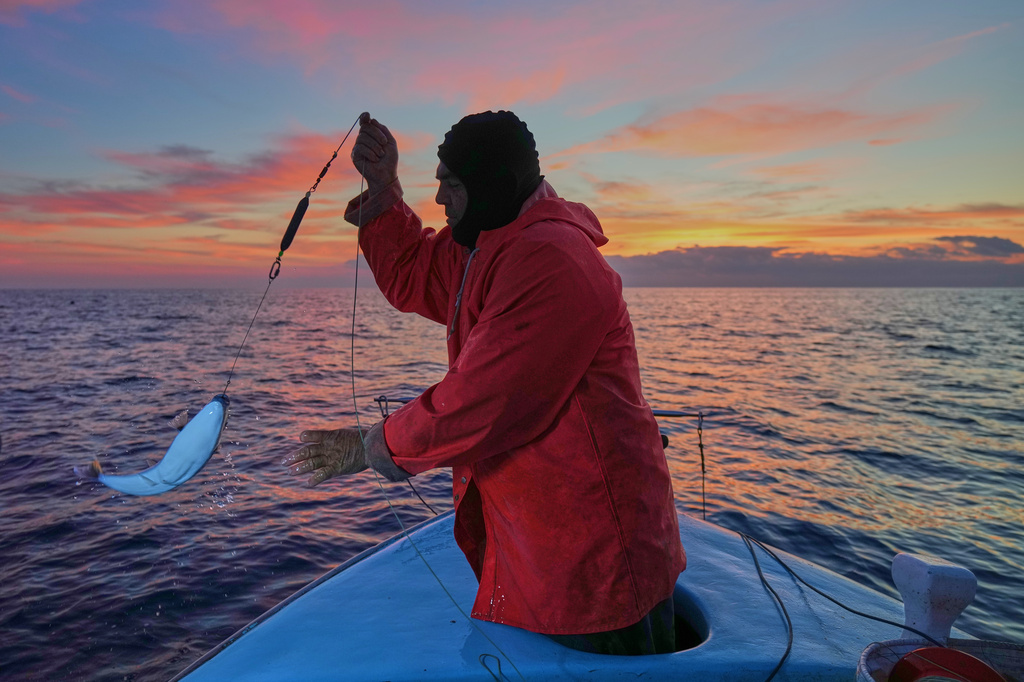
These changes are hurting both sea life and the people who depend on it. In some eastern areas, 93% of the small shellfish have disappeared. Along the Adriatic coast, most mussels have died because the water sometimes rose above 30 degrees Celsius. Fishers now catch fewer of the local fish that their customers love.
Scientists say the spread cannot be reversed, but the damage can still be reduced. Some invasive fish can be sold as food, while others are caught and destroyed. New species often travel inside ships, so cleaning these boats before they arrive can stop the problem. Even so, experts warn that many of these changes will not go away.
(AP)
Step 2
Check the Vocabulary and Phrases
Check the following vocabulary and phrases.
以下の単語やフレーズの発音、意味、使い方を確認しましょう。
invasive
外来の
(of a plant or animal) growing or spreading quickly in a way that harms the local environment
These invasive plants came from abroad and quickly killed our garden flowers.
この外来の植物は海外から来て、すぐに庭の花を枯らしてしまいました。
species
種(しゅ)
a group of animals or plants that are similar and can produce young together
At the zoo, we saw a rare species of monkey.
動物園で、珍しい種のサルを見ました。
establish
定着する
(of a plant or animal) to start to live and grow successfully in a new place
The new crop became established on the farm and produced a good harvest.
その新しい作物は畑に根付き、豊かな収穫をもたらしました。
deadly
命にかかわる
causing or able to cause death
You must be careful because some mushrooms are deadly.
キノコの中には命にかかわるものもあるので、気をつけないといけません。
reverse
元に戻す
to change something back to how it was before
It was a bad decision, but it is too late to reverse it now.
それは悪い決断でしたが、今さら元に戻すには遅すぎます。
Step 3
Comprehension Questions
Answer the following questions based on the article.
理解度問題に挑戦しましょう。
According to scientists, how much warmer could the Mediterranean Sea become by the year 2100?
Why is cleaning ships a good way to stop new species from spreading?
Step 4
Discussion
Share your opinions on the following questions.
以下の質問について、自分の考えを述べてみましょう。
Do you like to eat fish? Why or why not?
What kinds of animals live in the water near where you live, such as in the sea, a river, or a lake?
What changes in nature or the weather have you noticed where you live?
Why do you think it is important to protect the sea and the animals in it?
What can ordinary people do to help keep the ocean clean and healthy? Please explain your answer.