
 レッスンを予約する
Step 1
Read the Article
Read the article to understand the main idea.
記事を読んで、おおよその内容をつかみましょう。
Study finds humans and great apes laugh in similar ways
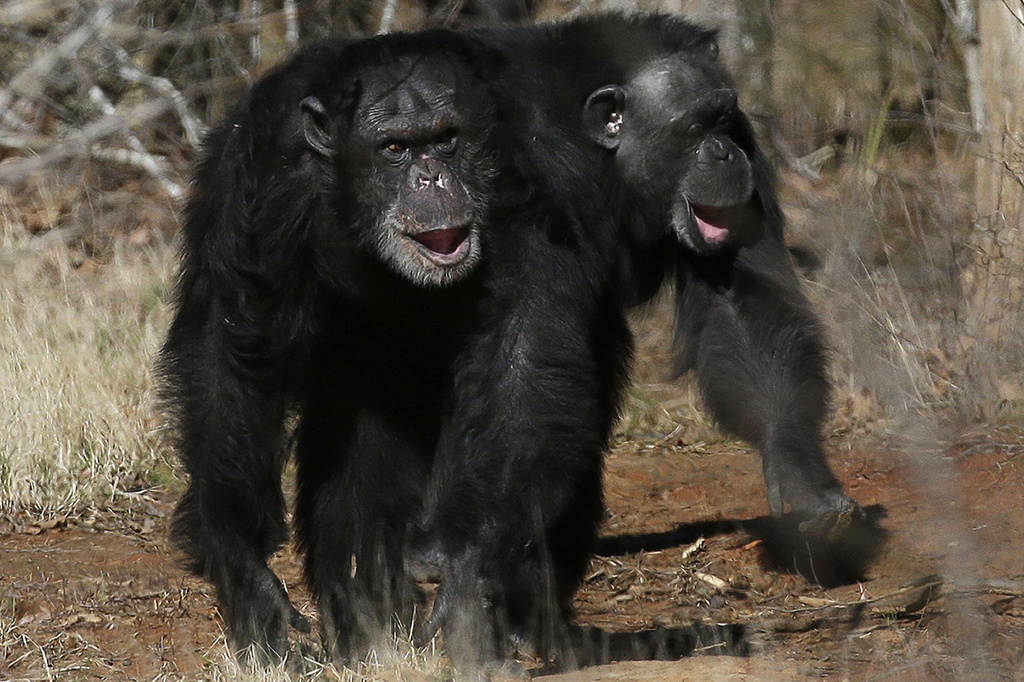
A new study suggests that humans and great apes have laughed in similar ways since they shared a common ancestor millions of years ago. Researchers tickled 13 apes, including gorillas, orangutans, chimpanzees, and bonobos, and recorded their laughter. They compared these recordings with new recordings of four young children laughing while being tickled and playing at home.
The results showed that the laughs of humans and great apes follow a similar rhythm, with regular timing between sounds. "In a way, we are very similar to other great apes because we've been laughing in a similar way for 15 million years," said Chiara De Gregorio, the study's author at the University of Warwick in England. The study was published on June 25, 2026, in the journal Communications Biology.
Laughter shows a playful, happy feeling without using words. Many animals can laugh too, but their patterns are less similar to humans. Rats, for example, make high-pitched sounds when tickled. Human laughter has become faster and more complex. It changes with the situation, from a quiet laugh among coworkers to a loud laugh with close friends.
Brittany Florkiewicz, an animal researcher who did not join the study, said the results make sense. She would like to hear similar recordings from other playful animals, such as dogs and cats, to learn more about how laughter began.
(AP)
Step 2
Check the Vocabulary and Phrases
Check the following vocabulary and phrases.
以下の単語やフレーズの発音、意味、使い方を確認しましょう。
ancestor
祖先
a person who lived a long time ago and from whom a particular person or group is descended
My grandmother often tells stories about our ancestors who came from a small village.
祖母はよく、小さな村の出身だった私たちの祖先についての話をしてくれます。
tickle
くすぐる
to touch someone's skin lightly with your fingers in order to make them laugh
My little sister always laughs when I tickle her feet.
妹は私が足をくすぐるといつも笑います。
rhythm
リズム
a regular, repeated pattern of sounds or movements
The teacher clapped her hands to keep a steady rhythm during the dance class.
先生はダンスの授業中、一定のリズムを保つために手をたたきました。
playful
遊び好きな
full of fun and energy, and liking to play
The puppy is very playful and loves to chase butterflies.
その子犬はとても遊び好きで、蝶を追いかけるのが大好きです。
complex
複雑な
made up of many different parts and difficult to understand
Filling out the tax forms was more complex than she had expected.
税金の書類に記入するのは、彼女が思っていたより複雑でした。
Step 3
Comprehension Questions
Answer the following questions based on the article.
理解度問題に挑戦しましょう。
How many apes did the researchers tickle for the study?
Why does Florkiewicz want to listen to sounds recorded from other playful animals, such as dogs and cats?
Step 4
Discussion
Share your opinions on the following questions.
以下の質問について、自分の考えを述べてみましょう。
Do you laugh every day? Why or why not?
What makes you laugh the most — a funny video, a joke, or something someone says? Why?
How does laughing with friends feel different from laughing alone?
Have you ever seen an animal do something that seemed playful? What did it do?
Some people believe laughter is good for your health. Do you agree? Why or why not?