
 レッスンを予約する
Step 1
Read the Article
Read the article to understand the main idea.
記事を読んで、おおよその内容をつかみましょう。
Vera C. Rubin Observatory begins 10-year survey of the universe
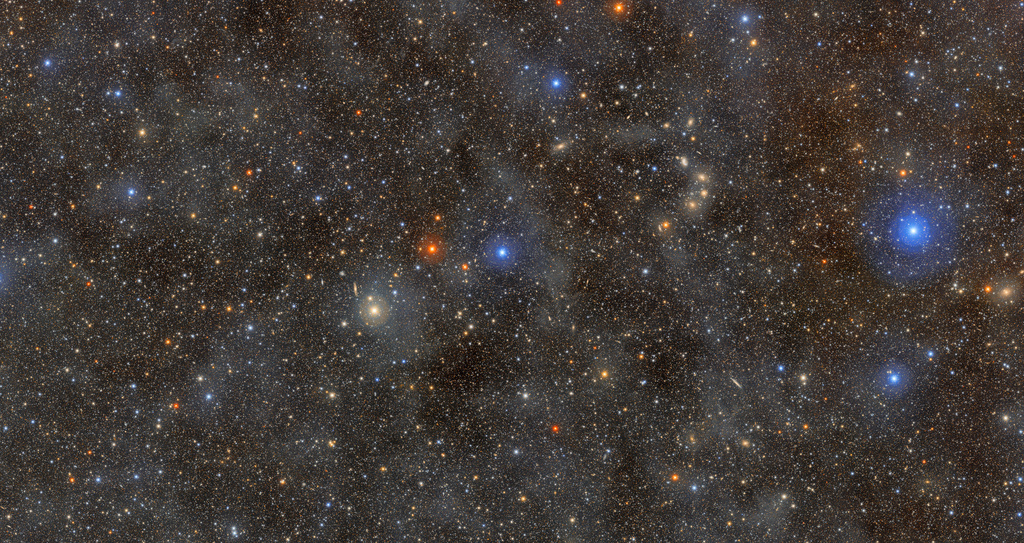
The Vera C. Rubin Observatory, located in Chile, has begun a 10-year survey of the universe using the largest digital camera ever built. The telescope will scan the southern sky, taking hundreds of images every night. Scientists hope the project will help them map billions of stars in the Milky Way, the galaxy that contains Earth, and billions of galaxies beyond it. Because the camera works quickly, it will capture the same areas of sky many times, helping researchers find objects that were previously too hard to see. Phil Marshall, the observatory's deputy director of operations, said scientists worldwide will use the data to study the universe in new ways.
Rubin released its first images in 2025, including colorful pictures of distant clouds of gas and dust thousands of light-years from Earth. A light-year, a unit that measures distance in space, is almost 9.7 trillion kilometers. Since then, researchers have adjusted the equipment to prepare for the survey. The new images may help scientists learn how galaxies form over billions of years, and how the universe began.
The observatory is funded by two government organizations, the U.S. National Science Foundation and the U.S. Department of Energy. It is named after astronomer Vera Rubin, who first offered evidence that a mysterious material called dark matter might exist. Researchers hope to learn more about both dark matter and dark energy, another mysterious force.
(AP)
Step 2
Check the Vocabulary and Phrases
Check the following vocabulary and phrases.
以下の単語やフレーズの発音、意味、使い方を確認しましょう。
observatory
天文台
a building with special equipment used for studying stars, planets, and other objects in space
On a clear night, my family visited an observatory to look at the moon and stars.
晴れた夜、私の家族は月や星を見るために天文台を訪れました。
galaxy
銀河
a very large group of stars, planets, and other matter held together in space by gravity
During the camping trip, we used a small telescope to look at a distant galaxy.
キャンプ旅行の間、私たちは小さな望遠鏡を使って遠くの銀河を見ました。
beyond
~を越えて
on or to the further side of something; further than a particular point
The hiking trail continues beyond the small bridge, all the way to the top of the hill.
そのハイキングコースは小さな橋を越えて、丘の頂上まで続いています。
capture
撮影する
to record an image, sound, or moment using a camera or other device
She used her new phone to capture a beautiful photo of the sunset at the beach.
彼女は新しいスマートフォンを使って、浜辺の美しい夕日の写真を撮りました。
astronomer
天文学者
a scientist who studies stars, planets, and other objects in space
When he was a child, he dreamed of becoming an astronomer.
子どもの頃、彼は天文学者になることを夢見ていました。
Step 3
Comprehension Questions
Answer the following questions based on the article.
理解度問題に挑戦しましょう。
How many pictures will the telescope take in one night?
Why will scientists be able to detect objects that were difficult to observe before?
Step 4
Discussion
Share your opinions on the following questions.
以下の質問について、自分の考えを述べてみましょう。
Do you sometimes look at the night sky? Why or why not?
Why do you think many people are curious about space and the universe?
What are some benefits of studying the universe? Please explain your answer.
If you could visit an observatory like the one in this article, what would you want to see or learn about?
Do you think it is important to study things scientists do not fully understand yet, such as dark matter? Why or why not?