
 レッスンを予約する
Step 1
Read the Article
Read the article to understand the main idea.
記事を読んで、おおよその内容をつかみましょう。
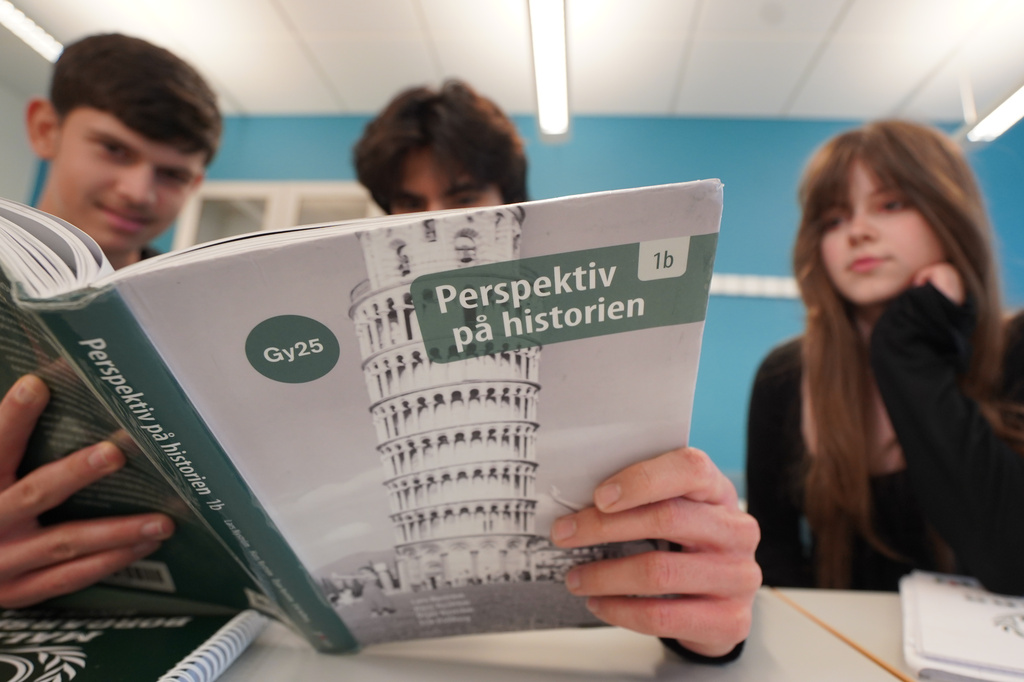
Sweden to ban phones in schools in a shift back to books
Sweden, long seen as a leader in digital technology, will ban mobile phones in schools in the fall of 2026, part of a broader international move away from screens in the classroom. Since 2023, the country's center-right government has favored books and other traditional learning tools over time on screens. Officials say the change responds to falling reading and writing skills, especially among younger students.
"We're rolling the screens back because we believe that books and more traditional ways of learning are better for kids," said Joar Forsell, who chairs the Swedish parliament's education committee.
The move back to books was triggered by falling reading comprehension. In a 2022 international study, 24.3% of Swedish ninth graders did not reach a basic level. To support the change, the government set aside 555 million Swedish krona ($59 million) in 2026 to buy textbooks and teachers' guides.
The shift is already visible at one high school in Malmö, a city in southern Sweden, where phones are collected in a box nicknamed the "Mobile Hotel" during lessons. "When you have a phone, there's always something to look at," said student Melina Sallahi, 17. "It's less of a distraction."
Not everyone agrees with the change. Swedish Edtech Industry, a trade group, warned that 90% of future jobs are expected to require digital skills, and that limiting technology could create a shortage of skilled workers. Even so, some students are not worried, saying they already use digital devices in their free time and learn more easily from books.
(AP)
Step 2
Check the Vocabulary and Phrases
Check the following vocabulary and phrases.
以下の単語やフレーズの発音、意味、使い方を確認しましょう。
favor
(~の)方を好む
to prefer or support one thing or option rather than another
My parents have always favored quiet holidays in the mountains over busy city trips.
両親はずっと、にぎやかな街への旅行よりも山での静かな休暇を好んできました。
roll A back
縮小する、元に戻す
to reduce or remove something, or return it to an earlier state
After the holidays, I rolled my spending back and started cooking at home again.
休暇のあと、私は出費を減らしてまた家で料理を始めました。
trigger
引き起こす
to make something happen, especially suddenly
Drinking too much coffee can trigger headaches for some people.
コーヒーを飲みすぎると、人によっては頭痛を引き起こすことがあります。
set aside
(お金や時間を)確保する、取っておく
to save or keep something, especially money or time, for a particular purpose
Every month she sets aside some money for a summer trip with her friends.
彼女は毎月、友だちとの夏の旅行のために少しお金を確保しています。
distraction
気を散らすもの
a thing that takes your attention away from what you are doing
The noise from the street was a real distraction while I was trying to work.
道路からの騒音は、私が仕事をしようとしているときに本当に気が散るものでした。
Step 3
Comprehension Questions
Answer the following questions based on the article.
理解度問題に挑戦しましょう。
What will schools in Sweden do with mobile phones in the fall of 2026?
Why did the Swedish government decide to bring back books and traditional learning tools?
Step 4
Discussion
Share your opinions on the following questions.
以下の質問について、自分の考えを述べてみましょう。
When you study, do you prefer using paper books and a pen, or digital tools like a tablet or laptop? Why?
What are the good points and the bad points of using digital devices to study?
Do you agree or disagree with Sweden's plan to limit phones and screens in schools? Why?
Do you think children should learn digital skills from a young age? Why or why not?
In your country, how have schools changed the way they use digital devices in recent years?