
 レッスンを予約する
Step 1
Read the Article
Read the article to understand the main idea.
記事を読んで、おおよその内容をつかみましょう。
A new exhibit shows plaster casts of Pompeii victims in their final moments
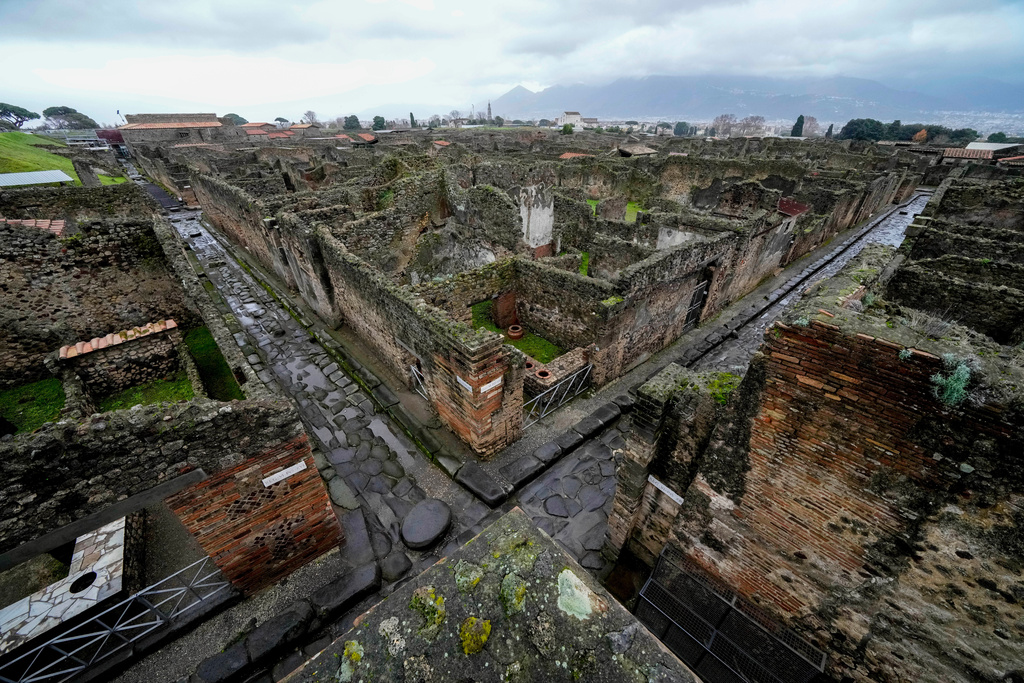
More than twenty plaster casts of people who died in the eruption of Mount Vesuvius in 79 AD are now on permanent display at Pompeii. These casts show the final positions of the victims, who were covered by volcanic ash when the city was destroyed. The exhibition, in the Palestra Grande near the Amphitheatre, helps visitors understand what happened and honors the lives of those who lived in the Roman city.
The method of making the casts was invented by archaeologist Giuseppe Fiorelli in 1863. He poured liquid plaster into empty spaces left after the bodies decayed in hardened ash. When the plaster became solid, it showed details of people’s clothes, faces, and movements. This method is still used by archaeologists today.
Pompeii is the only place in the world where such casts can be made. More than a thousand victims have been found, some in houses and others in the streets while trying to escape. About 2,000 residents were killed inside Pompeii, and up to 16,000 in the region.
The 22 best-preserved casts are now shown together with other items, such as food and plants found under the ash. They remind visitors of the human tragedy of the eruption and of daily life before the disaster. With modern research, experts can also learn the age, health, and diet of the victims, which gives a closer look at life in ancient Pompeii.
(AP)
Step 2
Check the Vocabulary and Phrases
Check the following vocabulary and phrases.
以下の単語やフレーズの発音、意味、使い方を確認しましょう。
plaster cast
石こう像
an object made by pouring plaster into a mold (= hollow container) and leaving it there until it becomes hard
The art teacher showed us a plaster cast of a hand in class.
美術の先生は授業で手の石こう像を私たちに見せてくれました。
eruption
噴火
the sudden violent escape of lava, gas, etc. from a volcano
The village was closed after a small volcanic eruption.
小さな火山の噴火のあと、その村は閉鎖されました。
archaeologist
考古学者
a person who studies ancient cultures by looking for and examining their buildings, tools and other objects
The archaeologist carefully examined the old coins from the site.
その考古学者は遺跡から出た古いコインを注意深く調べました。
best-preserved
保存状態の良い
kept in good condition, not damaged
The ruins are considered some of the best-preserved examples of ancient architecture in the region.
その遺跡は、その地域で最も保存状態の良い古代建築の例の一つとされています。
tragedy
悲劇
a very sad event or situation, especially one that involves death or suffering
The film tells the tragedy of a family that lost their home in a fire.
その映画は、火事で家を失った家族の悲劇を描いています。
Step 3
Comprehension Questions
Answer the following questions based on the article.
理解度問題に挑戦しましょう。
What is the purpose of displaying the plaster casts at Pompeii today?
How did Giuseppe Fiorelli’s method allow archaeologists to see details of the victims?
Step 4
Discussion
Share your opinions on the following questions.
以下の質問について、自分の考えを述べてみましょう。
Have you ever visited a museum or historical place? What did you see there?
How do you usually feel when you see old objects or places from history?
What do you think about showing real people’s final moments in museums? Is it good or not? Why?
Do you think it is important to learn about past disasters like Pompeii? Why or why not?
What are the benefits of learning about how people lived in ancient times?