
 レッスンを予約する
Step 1
Read the Article
Read the article to understand the main idea.
記事を読んで、おおよその内容をつかみましょう。
In Zimbabwe, English first names often tell a family story
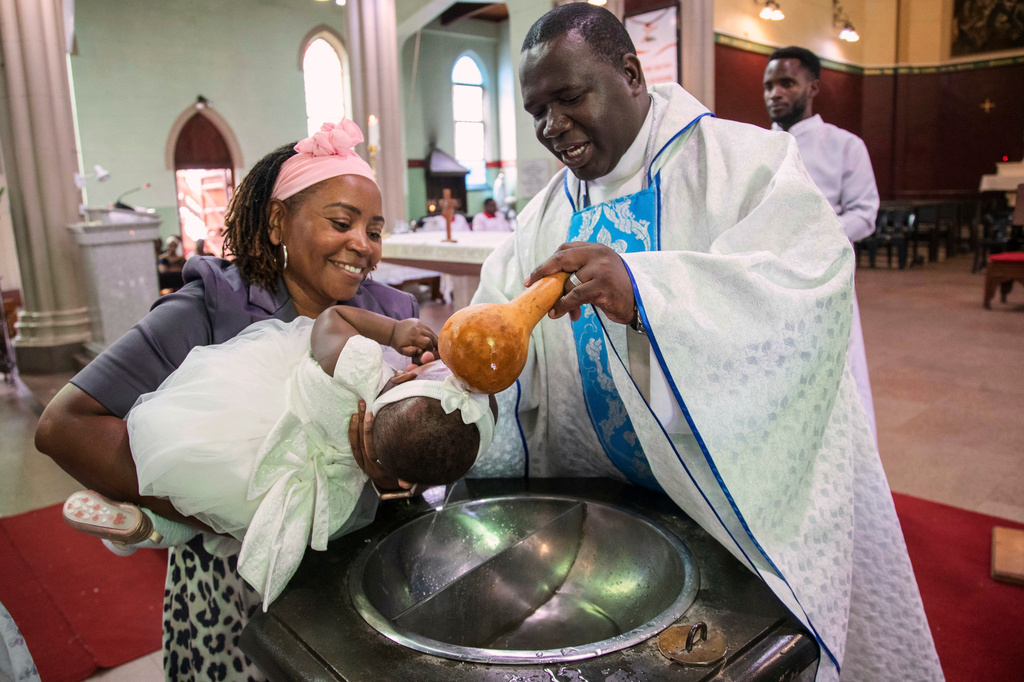
In Zimbabwe, some people have names like Handsome, Trust, Shame, and Privilege. In this culture, a child's name is more than just a label — it can tell the story of a family's history.
Privilege Mubani is 37 years old and lives in the capital, Harare. Her mother was not married when she became pregnant. In a society where this was looked down on, she thought no one would ever marry her. Then a man came and married her anyway. Privilege said that naming her Privilege was her mother's own expression of gratitude.
Zimbabwe's love of English names comes from its history as a British colony and a strongly Christian country. But this custom is much older than that. Researcher David Chikwaza says this way of naming children goes back to before British rule, when names already carried deep meaning.
Many people in Zimbabwe feel proud of these names. For them, a name is an important part of their family and culture.
(AP)
Step 2
Check the Vocabulary and Phrases
Check the following vocabulary and phrases.
以下の単語やフレーズの発音、意味、使い方を確認しましょう。
privilege
恵み、幸運
something that you feel lucky to have the opportunity to do
Going to school every day is a privilege.
毎日学校に行けることは幸運なことです。
pregnant
妊娠した
of a woman or female animal having a baby or babies developing inside her
The doctor told her she was pregnant.
医者は彼女に妊娠していると伝えました。
gratitude
感謝、感謝の気持ち
the feeling of being grateful and wanting to express your thanks
She felt gratitude for her friend's help.
彼女は友人の助けに感謝を感じました。
colony
植民地
a country or an area that is governed by people from another, more powerful, country
People in a colony often have to follow rules made by another country.
植民地の人々はしばしば、別の国によって作られたルールに従わなければなりません。
custom
慣習
an accepted way of behaving or of doing things in a society or a community
Eating together as a family is a common custom in many countries.
家族で一緒に食事をすることは、多くの国で一般的な慣習です。
Step 3
Comprehension Questions
Answer the following questions based on the article.
理解度問題に挑戦しましょう。
Why did Privilege's mother give her that name?
How do many people in Zimbabwe feel about their names?
Step 4
Discussion
Share your opinions on the following questions.
以下の質問について、自分の考えを述べてみましょう。
Do you like your name? Why or why not?
Do you know why your parents gave you your name?
Have you ever met someone with an interesting name? What was the name like?
Do you think names can change how people feel about themselves? Why or why not?
If you could choose a new name, what name would you choose? Why?