
 レッスンを予約する
Step 1
Read the Article
Read the article to understand the main idea.
記事を読んで、おおよその内容をつかみましょう。
The Met Gala exhibit is making room for diverse bodies
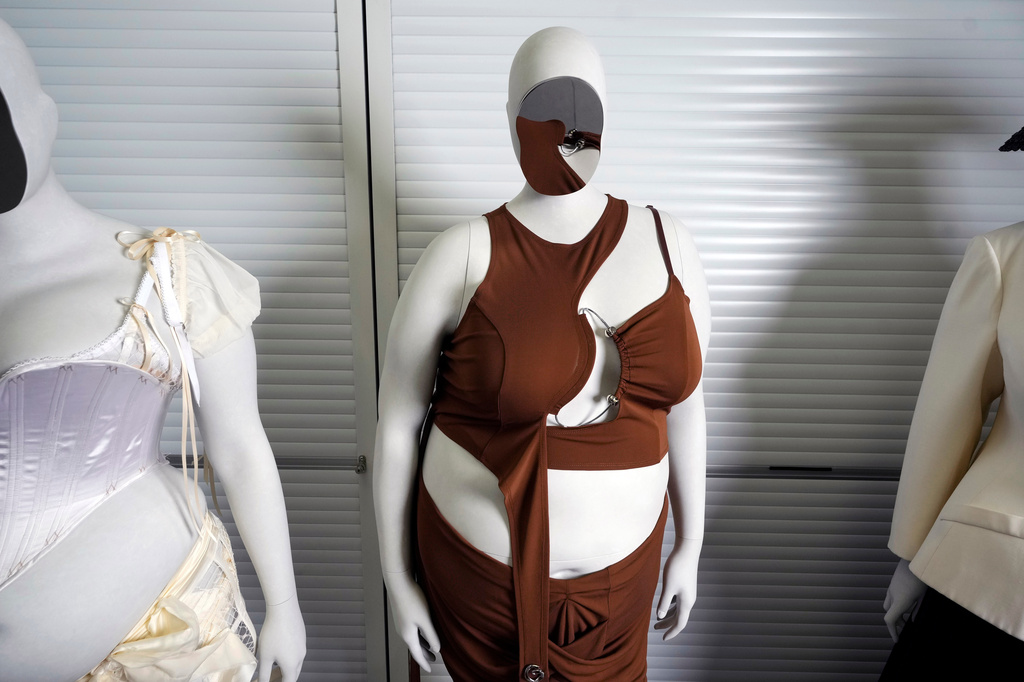
The Metropolitan Museum of Art in New York unveiled mannequins based on people with different body types during the Met Gala on May 4, 2026. The mannequins are part of “Costume Art,” a spring exhibition that opened to the public on May 10, 2026.
Andrew Bolton, a curator at the museum’s Costume Institute, said the new mannequins are meant to challenge the long history of displays centered on thin, able-bodied and standardized body types. Along with traditional mannequins, the show includes forms based on real people with different bodies and life experiences. The exhibition features about 400 items, with artworks and clothing displayed in pairs.
Among the models are Michaela Stark, an artist and couture designer known for body-positive corsetry, Sinéad Burke, an Irish disability activist, Aimee Mullins, an athlete and actor with prosthetic lower legs, and Aariana Rose Philip, a musician and model who uses a wheelchair. Nine real-life models were used to create 18 mannequins, while seven more represent body shapes such as pregnant bodies and thin male bodies.
To create the mannequins, the models’ bodies were scanned using photogrammetry, a process that uses many cameras to capture detailed images from every angle. The scans were then used to produce mannequins designed to fit the exhibition’s garments.
The museum says the 25 mannequins will remain in its permanent collection after the exhibition ends in January 2027. Bolton also said all the mannequins have polished steel surfaces like mirrors, allowing visitors to see themselves as well as the bodies each mannequin is meant to represent.
(AP)
Step 2
Check the Vocabulary and Phrases
Check the following vocabulary and phrases.
以下の単語やフレーズの発音、意味、使い方を確認しましょう。
unveil
発表する
to show or introduce a new plan, product, etc. to the public for the first time
The company unveiled its latest smartphone at an international technology event.
その会社は国際的な技術イベントで最新のスマートフォンを発表しました。
couture
クチュール、高級仕立て服
the business of making and selling expensive clothes made to fit a particular person
She wants to work in couture after studying fashion design.
彼女はファッションデザインを学んだ後、高級仕立て服の仕事をしたいと思っています。
prosthetic
義肢の
relating to an artificial body part, such as an arm or a leg, used to replace a missing natural one
He learned to run again with his prosthetic leg.
彼は義足を使って再び走れるようになりました。
permanent
永久的な
lasting for a long time or for all time in the future; existing all the time
She moved to Canada for a permanent job.
彼女は永続的な仕事のためにカナダへ引っ越しました。
polished
磨かれた
made smooth and shiny by rubbing
The table had a polished wooden surface.
そのテーブルには磨かれた木の表面がありました。
Step 3
Comprehension Questions
Answer the following questions based on the article.
理解度問題に挑戦しましょう。
What is unique about the mannequins being created for the Metropolitan Museum of Art’s “Costume Art” exhibit?
Why did the museum design the mannequins with polished steel surfaces like mirrors?
Step 4
Discussion
Share your opinions on the following questions.
以下の質問について、自分の考えを述べてみましょう。
What is your opinion on this news?
When do you experience or notice individual uniqueness and diversity?
Why do you think traditional mannequins have usually represented only one type of body?
Besides fashion, what areas do you think could have a significant social impact through promoting diversity?
In your opinion, what role should fashion and art play in changing society’s ideas about body image and diversity?